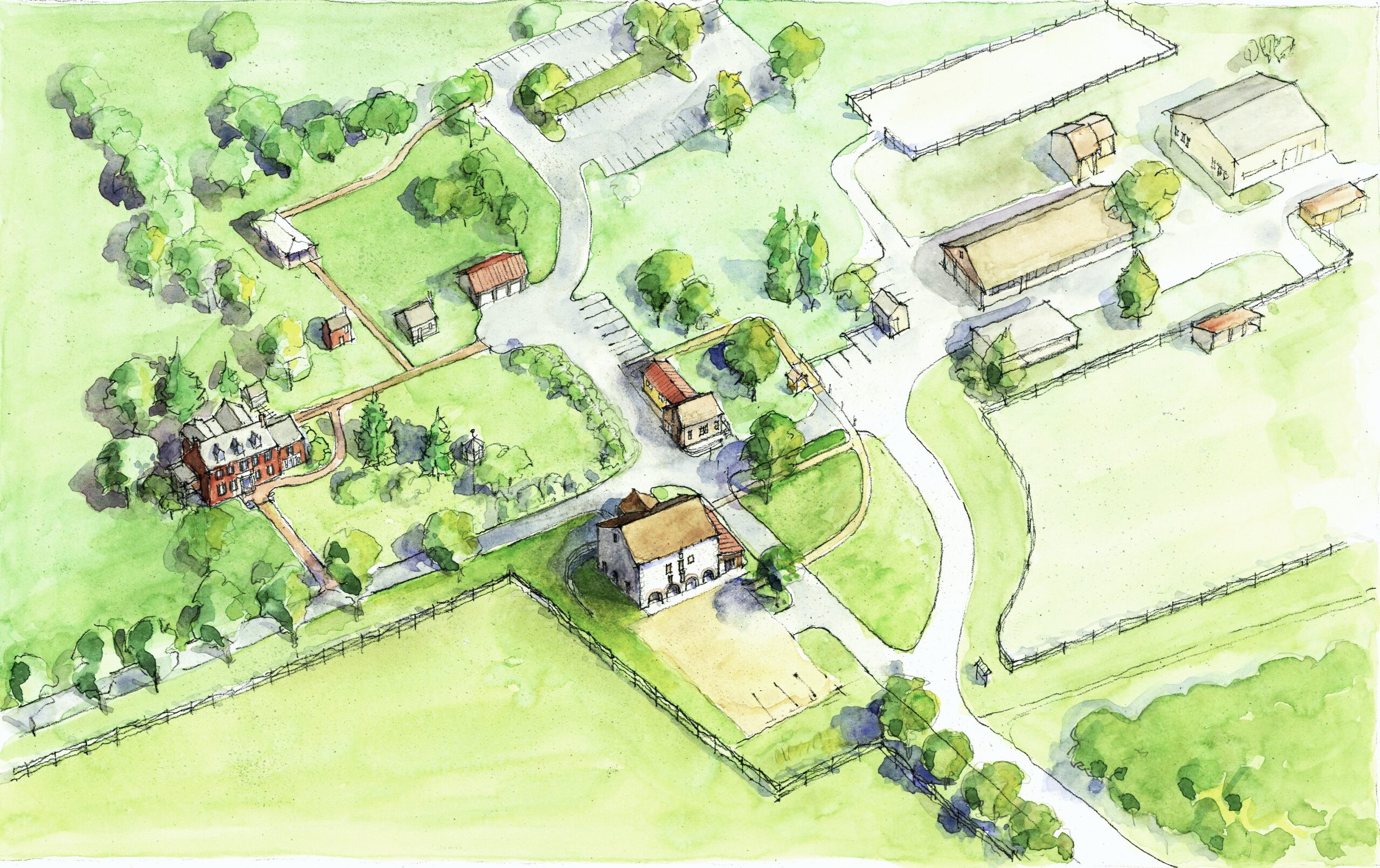
Woodlawn Stone Barn and Visitor Center - Sandy Spring, MD
Client: The Maryland National Capital Parks and Planning Commission (MNCPPC)
Team:
INTECaec (Architecture)
David Wallace (Structural and MEP Engineering)
PELA Design (Landscape Architecture)
Oyster, Imus, Petzold (Civil)
Howard Revis Design Services (Exhibit Design)
Garcete Construction Company (GC)
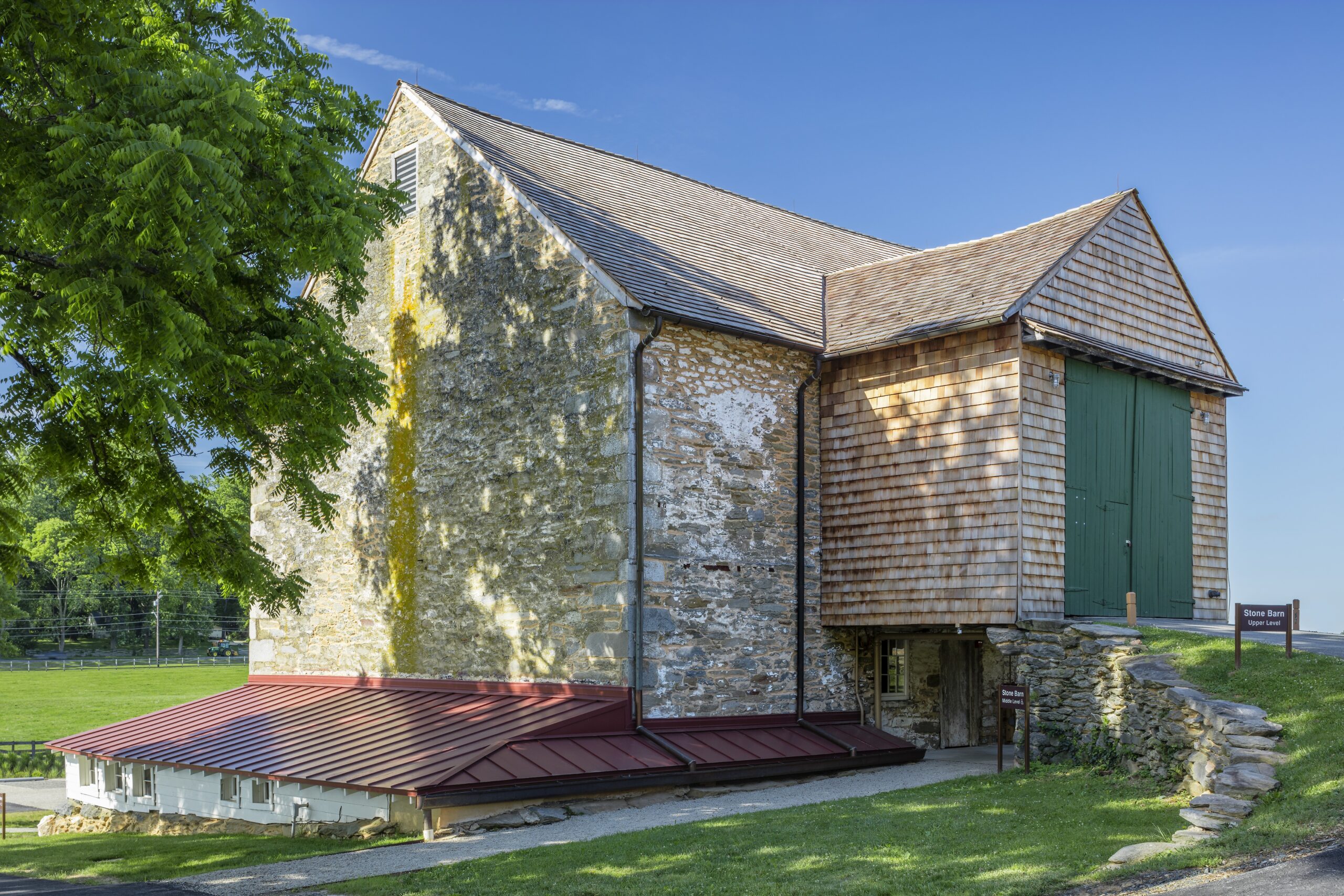
Scope of Work: Create a Montgomery County Heritage Area visitor center and renovate a unique stone barn (built in 1832), with exhibit themes dedicated to Quaker and Underground Railroad history and the historic agricultural landscape.
Awards:
2020 AIA Potomac Valley Excellence In Design Merit Award for Woodlawn Museum at Woodlawn Manor Cultural Park
2017 Design Excellence Citation Award by the Montogmery County Planning Department M-NCPPC,
2017 Montgomery County Award for Historic Preservation for Excellence in Restoration and Rehabilitation of the 1832 Woodlawn Stone Barn

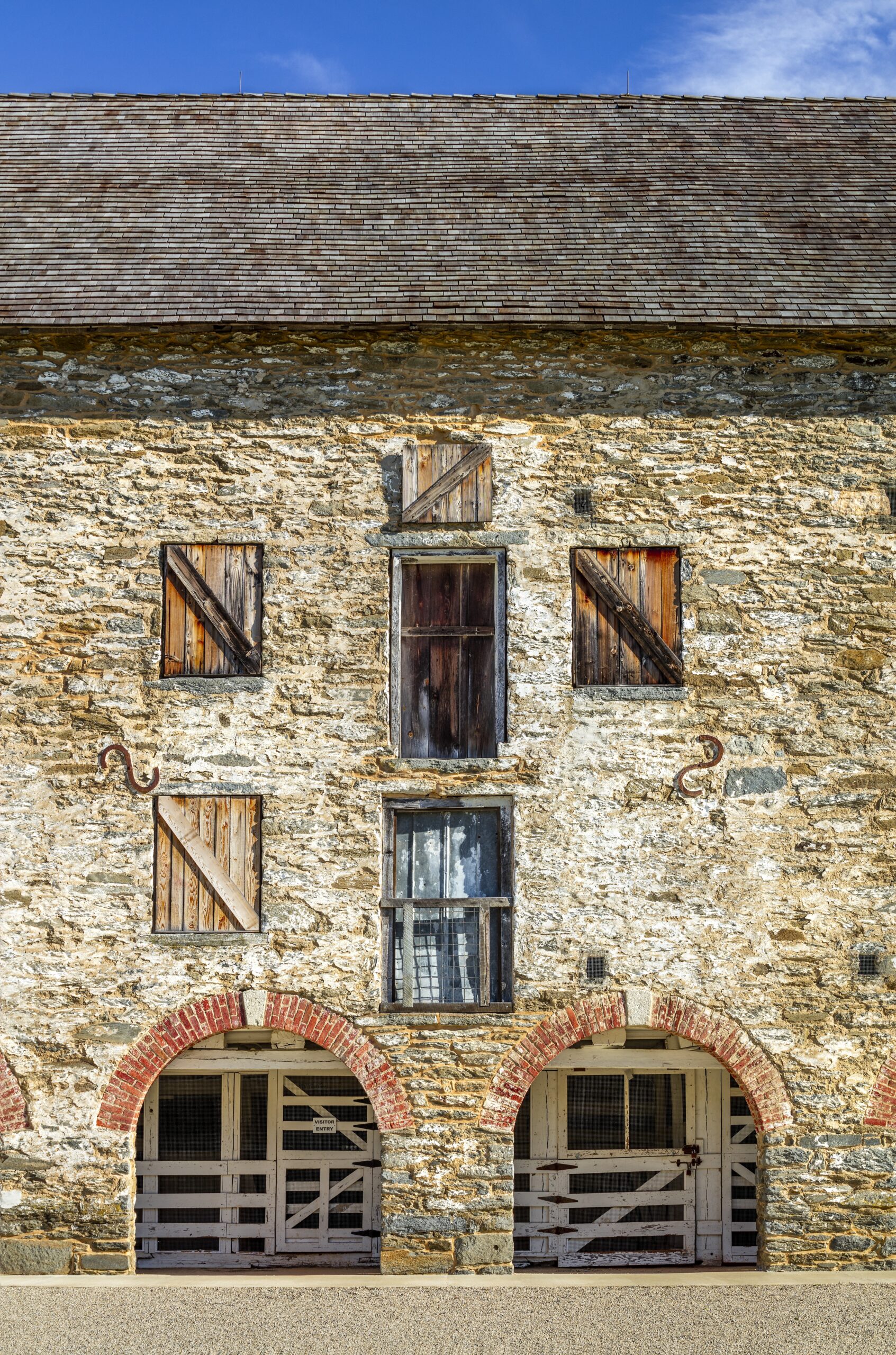
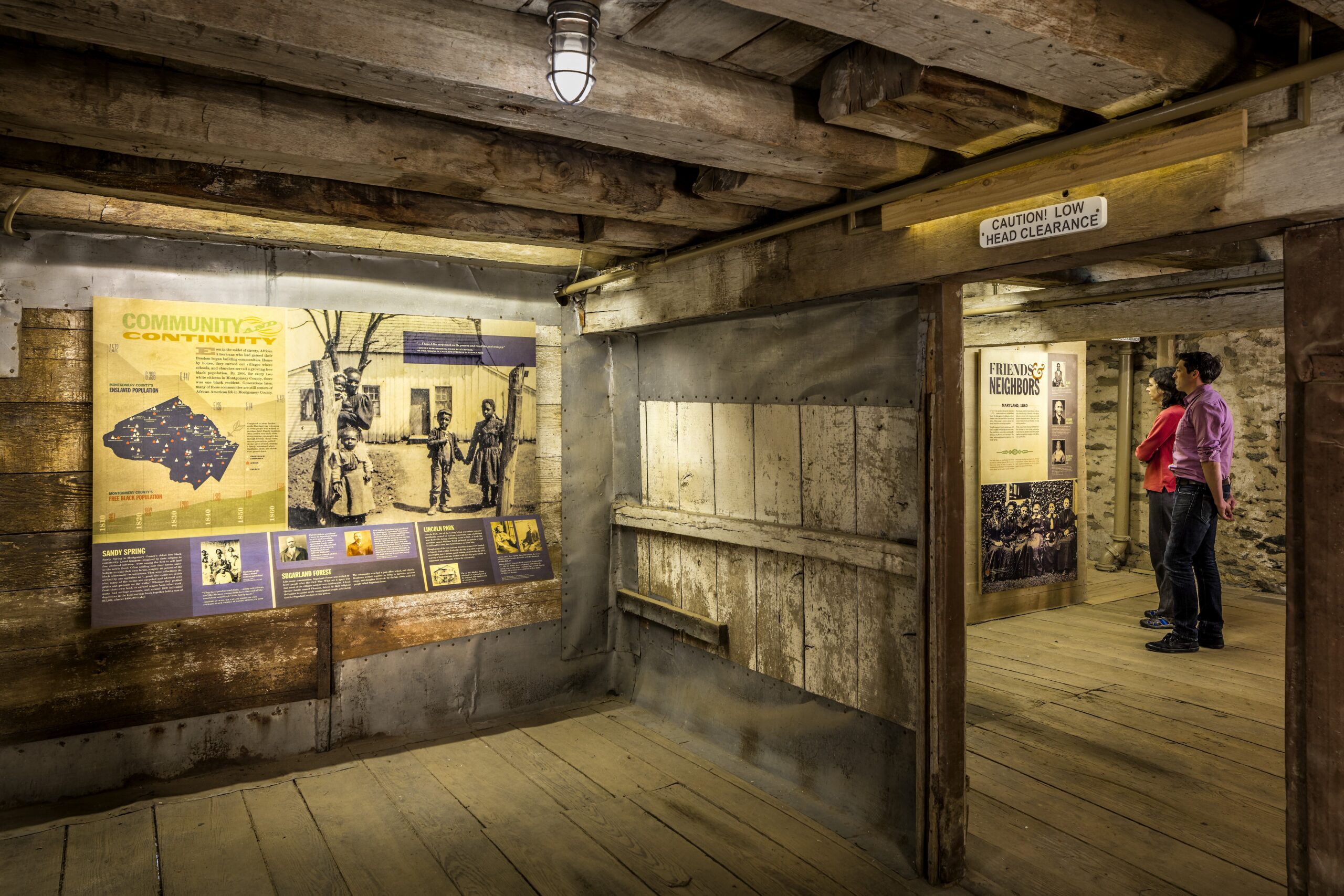
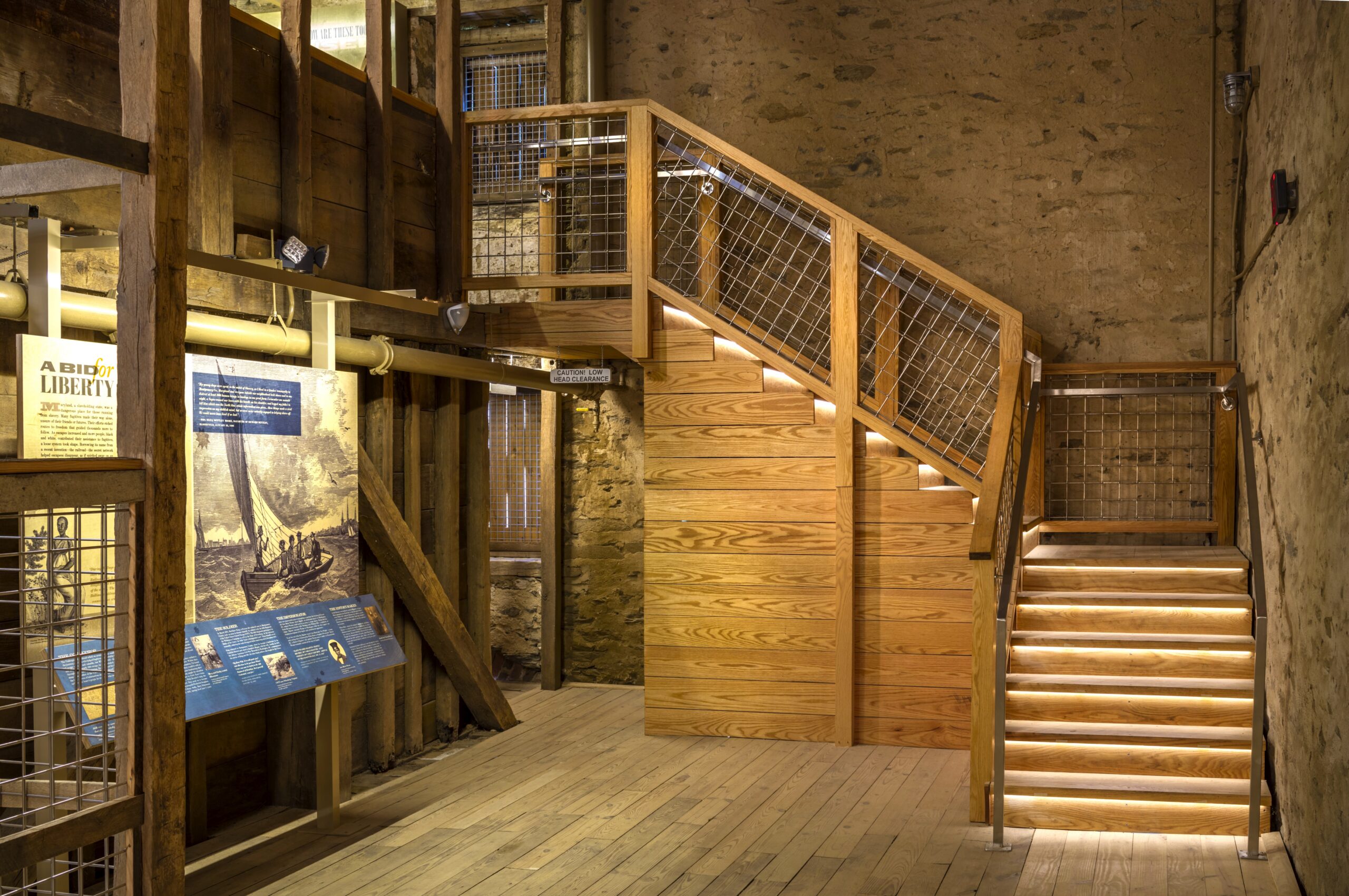
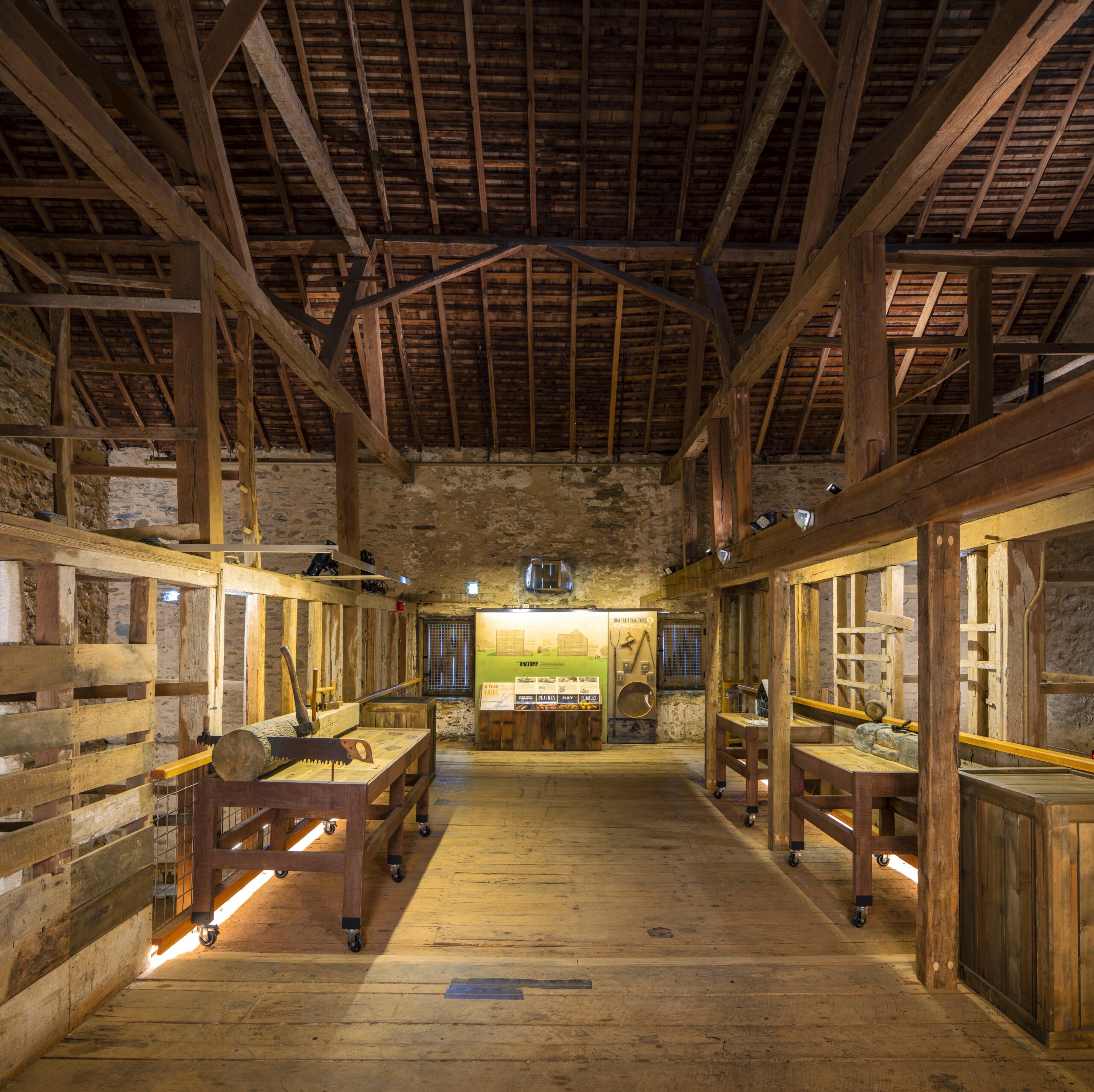
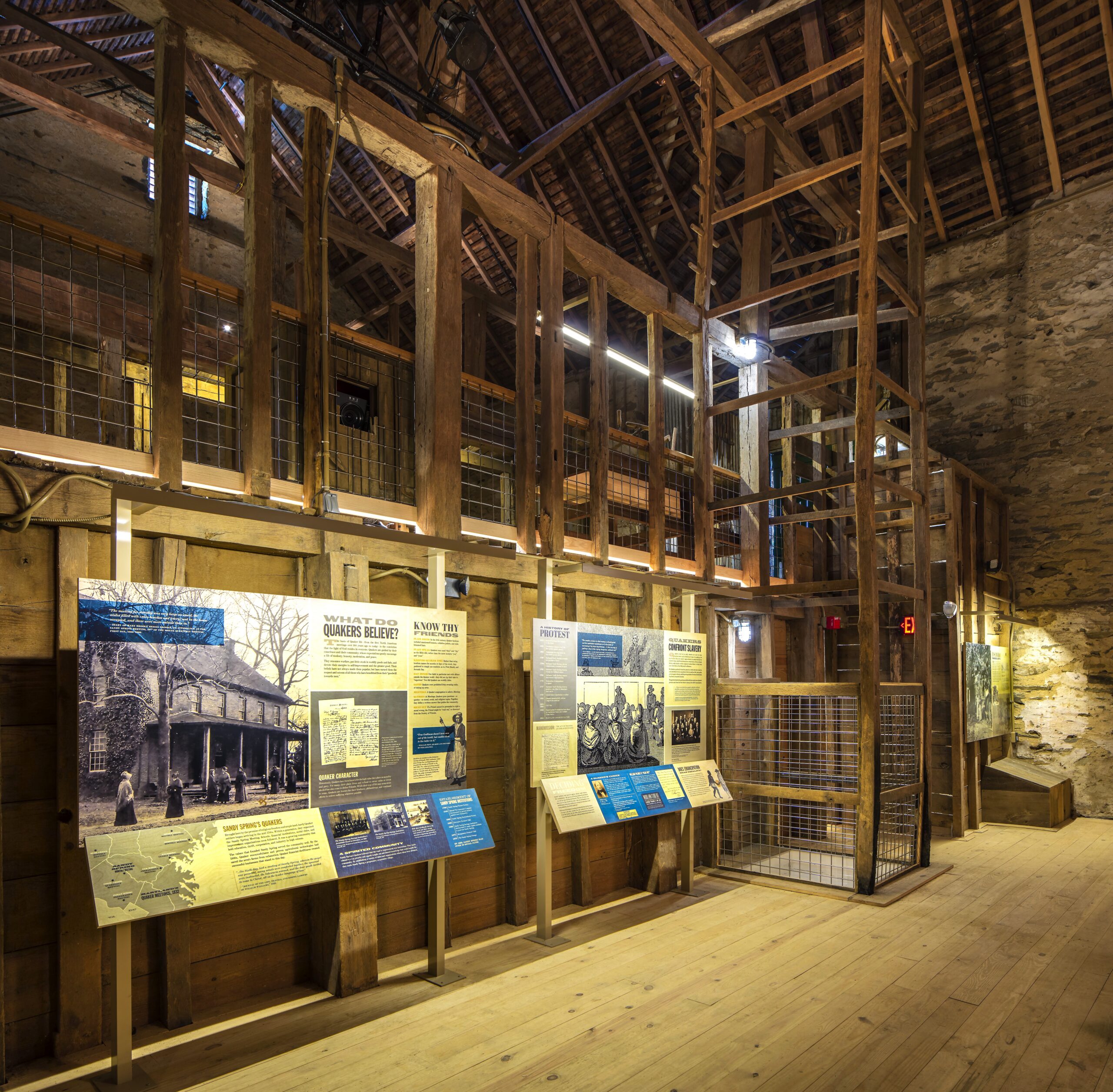
The Woodlawn Stone Barn and Visitor Center is a transformative adaptive reuse project located within the historic Woodlawn Manor Park in Montgomery County, Maryland. The design team approached the project with a preservation-first philosophy, aligning every intervention with the Secretary of the Interior’s Standards for Rehabilitation. A central design decision was to minimize new construction within the barn itself and allow its existing form and materials to speak for themselves. The spatial layout of the barn, with its distinct lower-level stables, middle-level granary, and expansive hay lofts, was preserved in its entirety. Architectural interventions were limited and carefully placed: a new code-compliant stair was introduced in wood to remain reversible and visually compatible; mesh guardrails and protective screens were inserted to ensure safety while maintaining sightlines; and lighting, audiovisual components, and life safety systems were integrated with precision to reduce their visual footprint. Original finishes such as lime-based whitewash and rough-hewn timber beams were retained or replicated in kind, reinforcing the authenticity of the visitor experience.

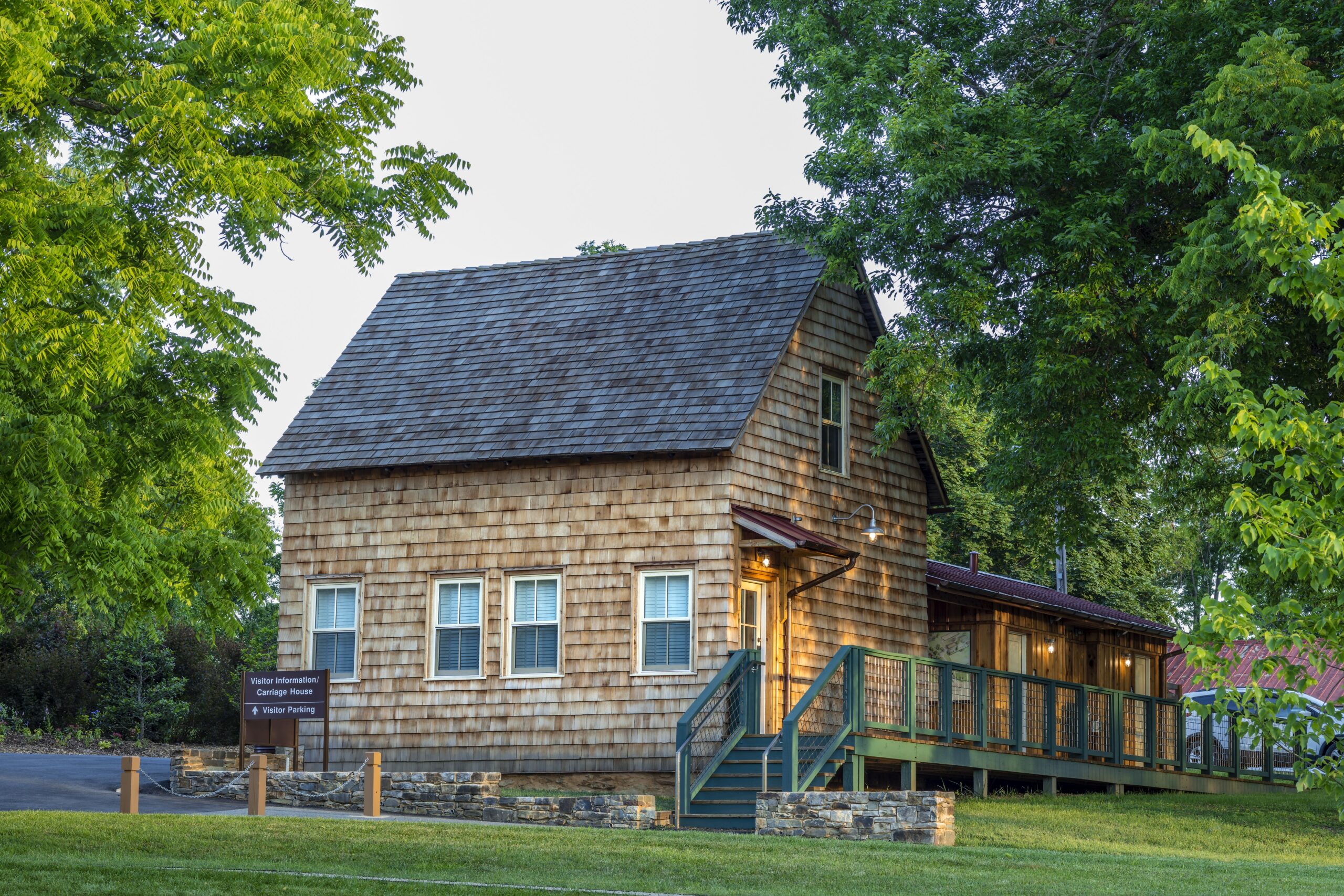
Rather than compromising the integrity of the barn with mechanical equipment, restrooms, and visitor services, the nearby Carriage House was reimagined to serve these functions. The building, constructed in 1897, was adapted with new insulated walls, cedar siding, and a reconfigured interior that supports staffing needs and introductory exhibits. A new ADA-compliant circulation network of low-slope chip paths guides visitors between buildings without the visual disruption of handrails.
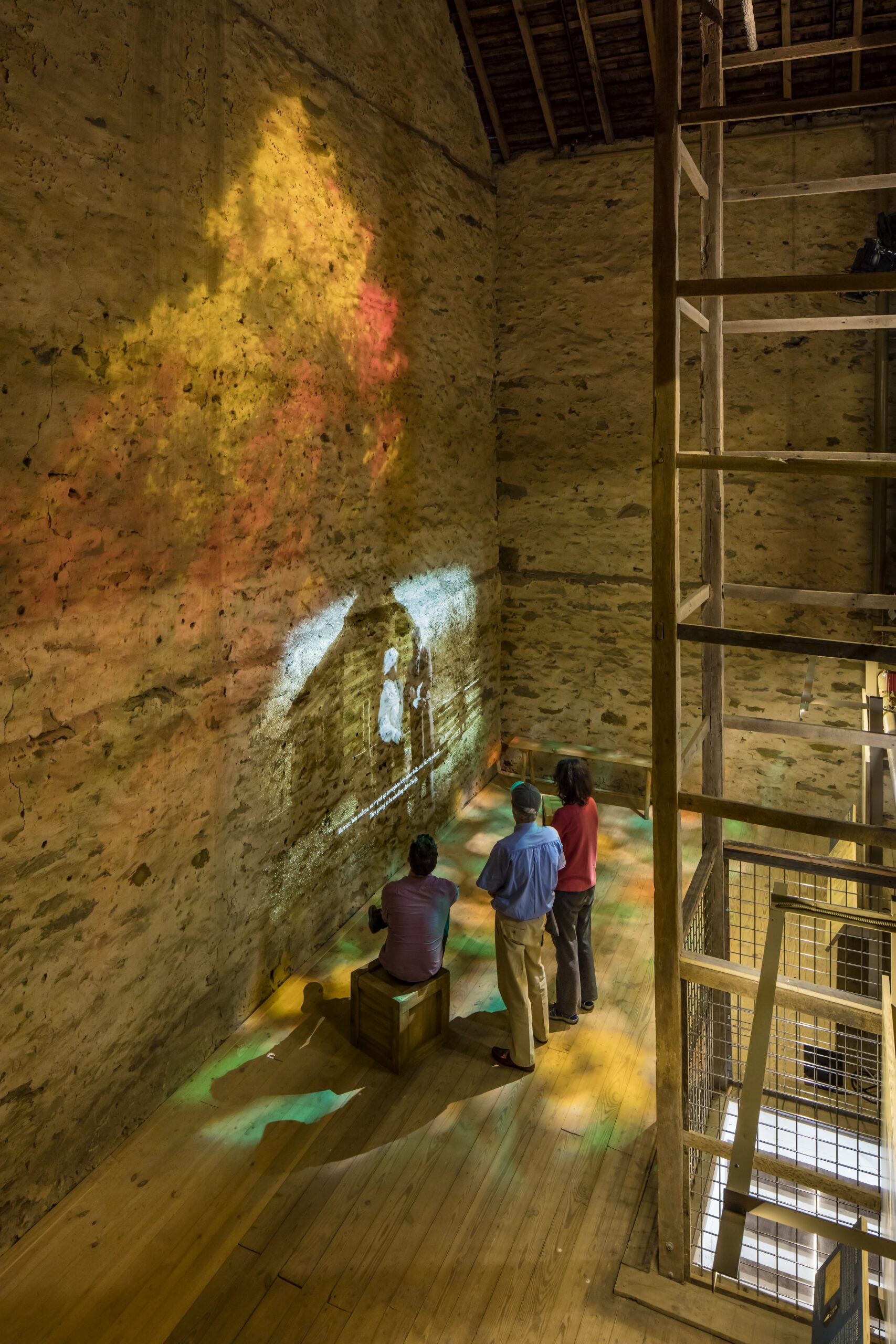
Inside the barn, the architecture works in concert with interpretive storytelling. Existing stall bays and hay storage areas became immersive exhibit spaces, filled with ambient audio, projected film, and historical displays that evoke the physical and emotional journey of those who sought freedom along the Underground Railroad. Interventions such as translucent barriers at former hay chutes allow for fire separation while referencing the agricultural function of the space. The architecture was not merely a backdrop for these exhibits, but an active participant in the narrative, framing each story within the texture and scale of the original structure.
Every material decision and construction detail reflected a commitment to preservation excellence. The roof was replaced with traditional cedar shake and siding, the wood shutters were restored or reconstructed using archival profiles, and a non-historic CMU window infill was removed and replaced with operable wood shutters. New floorboards, where required, were matched in species and character to the originals. The design team worked in close collaboration with preservation consultants, Maryland Historical Trust staff, and Quaker heritage experts to ensure both architectural accuracy and historical fidelity.